

Federal prosecutors say an OpenAI engineer planted a covert audio recorder in an executive conference room. Here’s what the complaint alleges and what OpenAI says was not taken.
Corporate espionage usually plays out in phishing emails and stolen passwords. This case is more physical. The U.S. Department of Justice says an OpenAI engineer has been arrested and charged after a hidden audio recorder was found in one of the company’s executive conference rooms in San Francisco.
The charge
The man charged is Abdulrahman Alfozan, 35, a Saudi national who prosecutors say had worked as an engineer at OpenAI since July 2025. He was arrested on Oct. 9 and charged with using, or trying to use, a device to intercept oral communications.
If convicted, he faces up to five years in prison, a fine of up to $250,000, and three years of supervised release. A complaint is an accusation, not a finding of guilt.
What the complaint alleges
According to the DOJ’s account of the complaint:
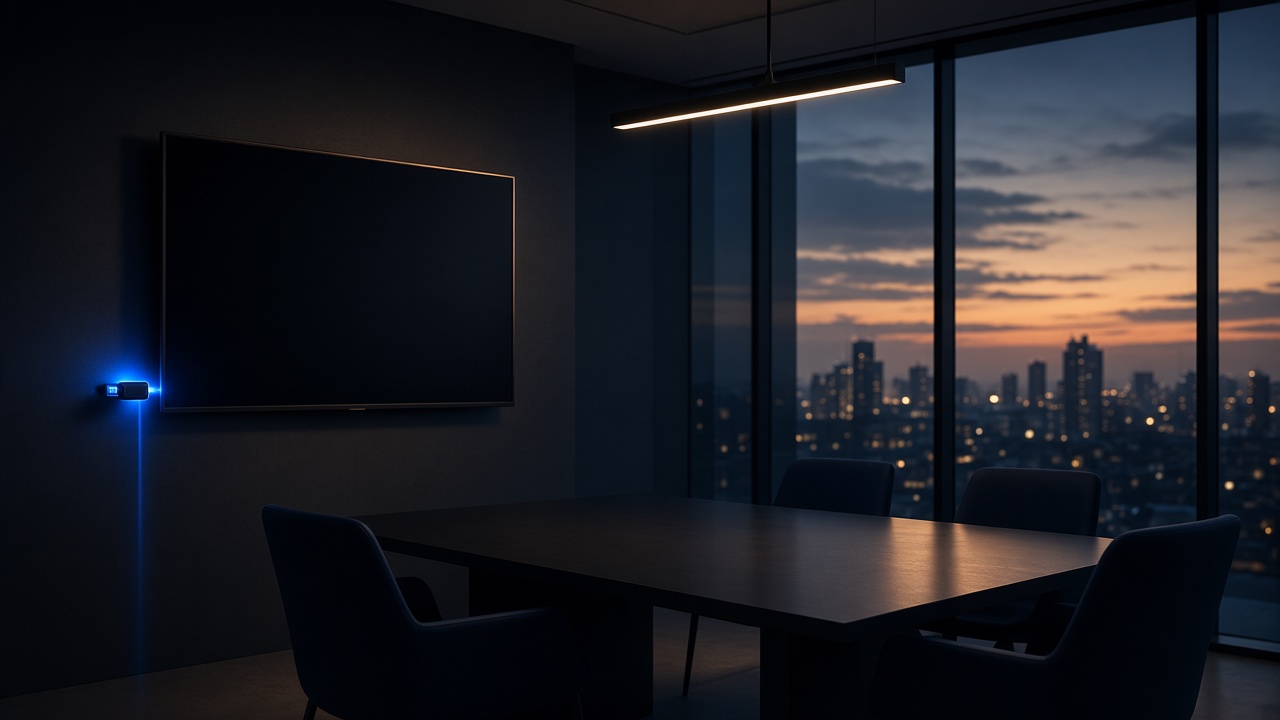
- Around Sept. 30, OpenAI staff found a recording device plugged into a USB port on the back of a TV in an executive conference room. It had been wrapped in toilet paper.
- OpenAI determined it had been installed on or about Sept. 28, and that its contents were encrypted.
- Security camera footage showed Alfozan near the room on several dates before the discovery, even though he had no authority to enter it or join the meetings held there.
- Before Sept. 28, he allegedly used a productivity tool to look up building addresses, meeting rooms and their calendars, and the locations of “leadership and exec” staff.
- Between Sept. 24 and Sept. 30, a chatbot account tied to his spouse, which prosecutors say shared identifiers with his own account, allegedly asked how to build a continuous audio recorder, set up Wi-Fi connectivity, improve live listening, and encrypt an SD card.
- On Oct. 5, he allegedly entered the room and appeared to look behind the TV. The same day, security staff found a bag he had left in another room. It held his wallet and ID and a second recording device similar to the first.
Why that room mattered
Prosecutors say meetings in that conference room often covered highly confidential material: proprietary research, product plans, business-development deals, and nonpublic information about OpenAI’s technical progress and government work.
OpenAI, which said it used its own models to help understand the device, says it has no indication that model weights, source code, or customer data were obtained. In OpenAI’s own wording, the employee was “terminated.”
The bigger picture: insider risk
Officials framed the case as a national-security matter. FBI Director Kash Patel called protecting American AI innovation one of the bureau’s “highest counterintelligence priorities.”
For any company holding valuable IP, the lesson is uncomfortable. Strong network security doesn’t help much if someone with a badge can walk into the boardroom. The case touches several basic controls:
- Room access: limit who can enter sensitive meeting spaces, and log entries.
- Hardware checks: sweep rooms where sensitive meetings happen, including the TV and conference gear.
- Unusual lookups: watch for staff searching executive calendars and room bookings they have no reason to need.
- Camera review: make sure footage is kept and actually checked.
What happens next
The FBI is investigating, and the case is being prosecuted in the Northern District of California. We’ll follow the court filings as they come.